

Choosing The Right Driveway For Your Property: Gravel, Asphalt, Or Concrete
One of the most common questions property owners ask is:
"What type of driveway should I install?"
The answer depends on several factors including budget, traffic levels, property conditions, drainage requirements, appearance preferences, and long-term maintenance expectations.
While gravel, asphalt, and concrete all provide reliable access, each option has advantages and tradeoffs.
Understanding those differences can help you make a better decision before construction begins.
Start With The Foundation First
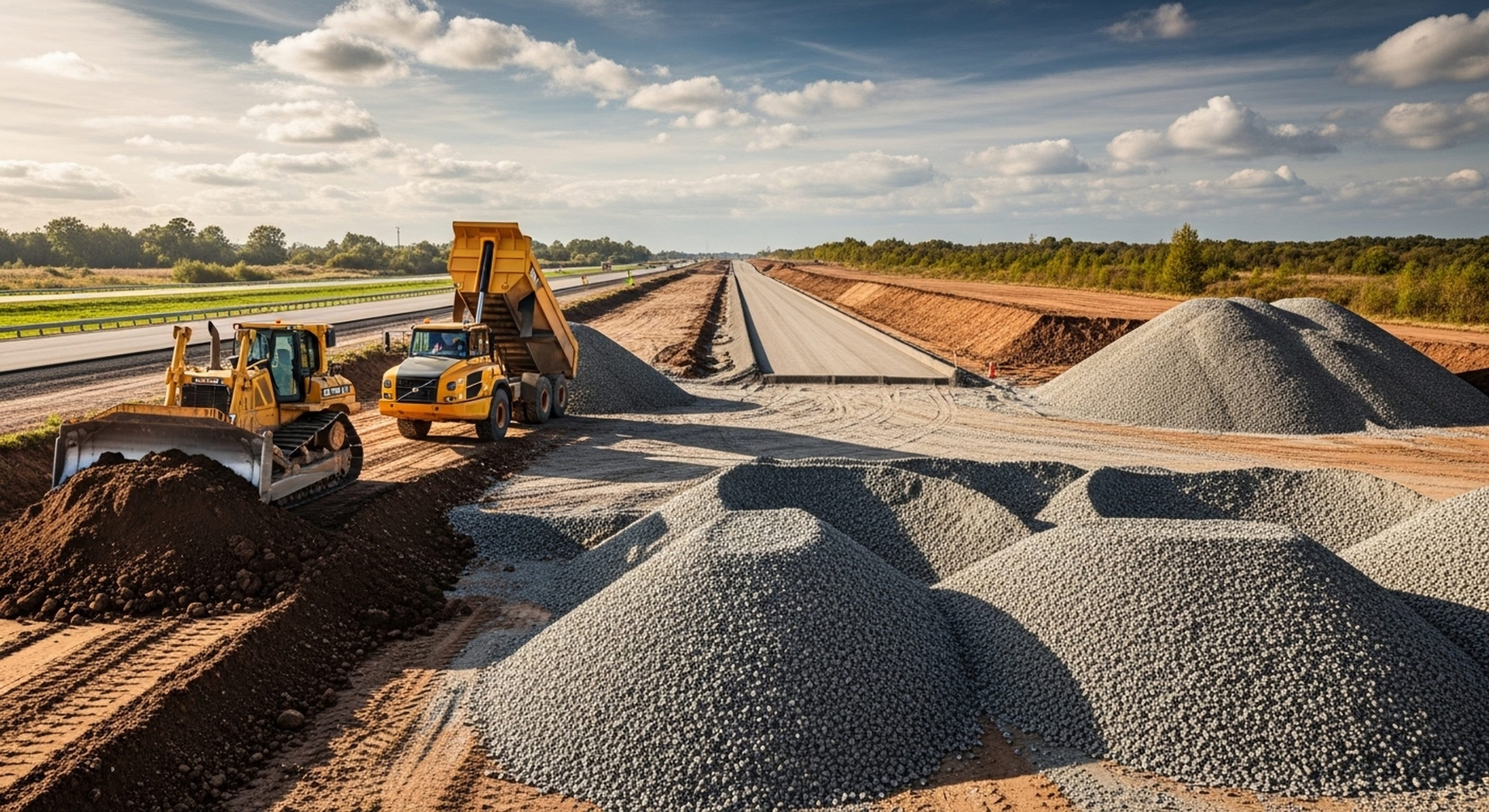
Before discussing surface materials, it's important to understand that every driveway depends on what is underneath it.
Many driveway problems are caused by:
Regardless of the material selected, site preparation plays a major role in long-term performance.
Related Service:
Gravel Driveways
Advantages Of Gravel
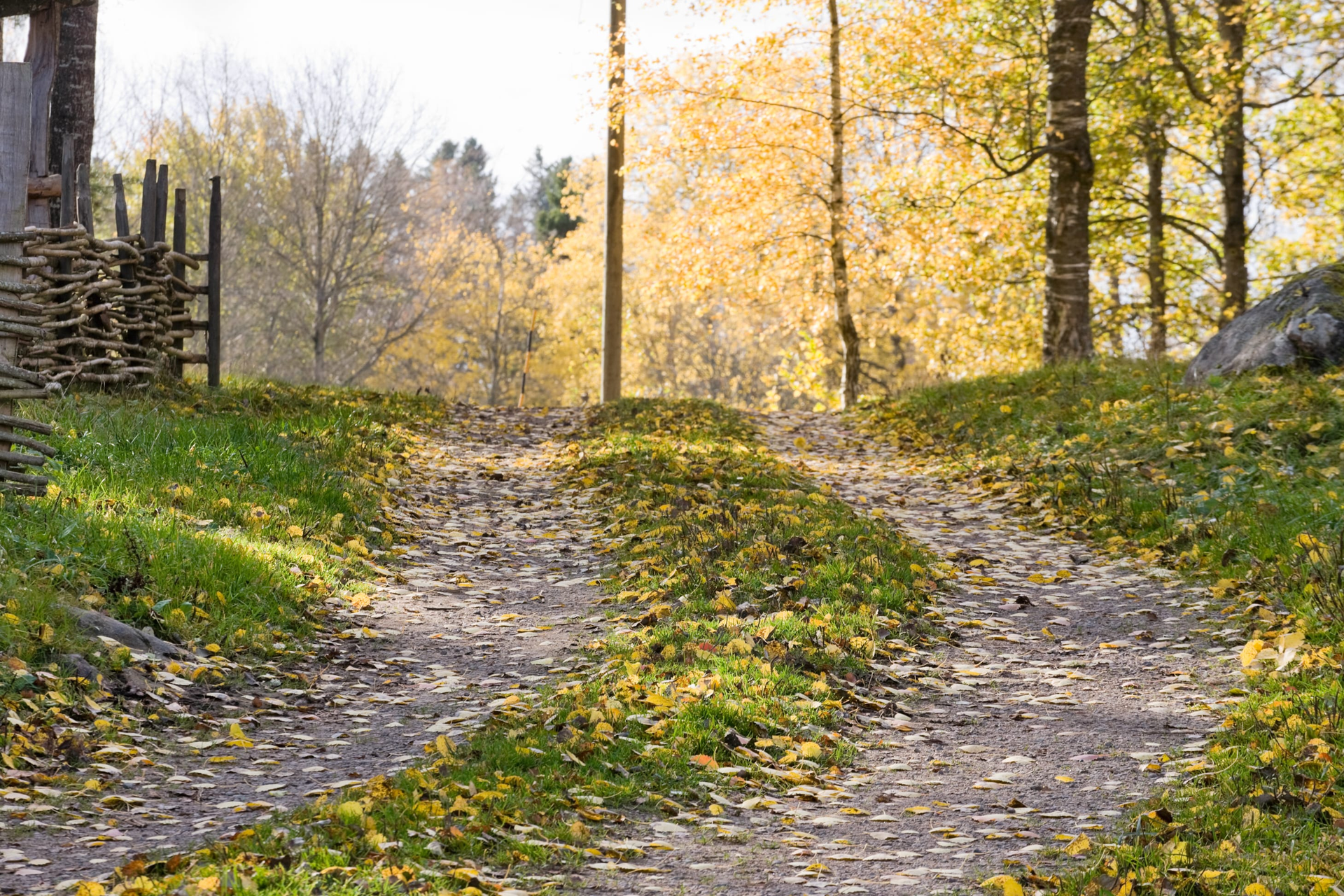
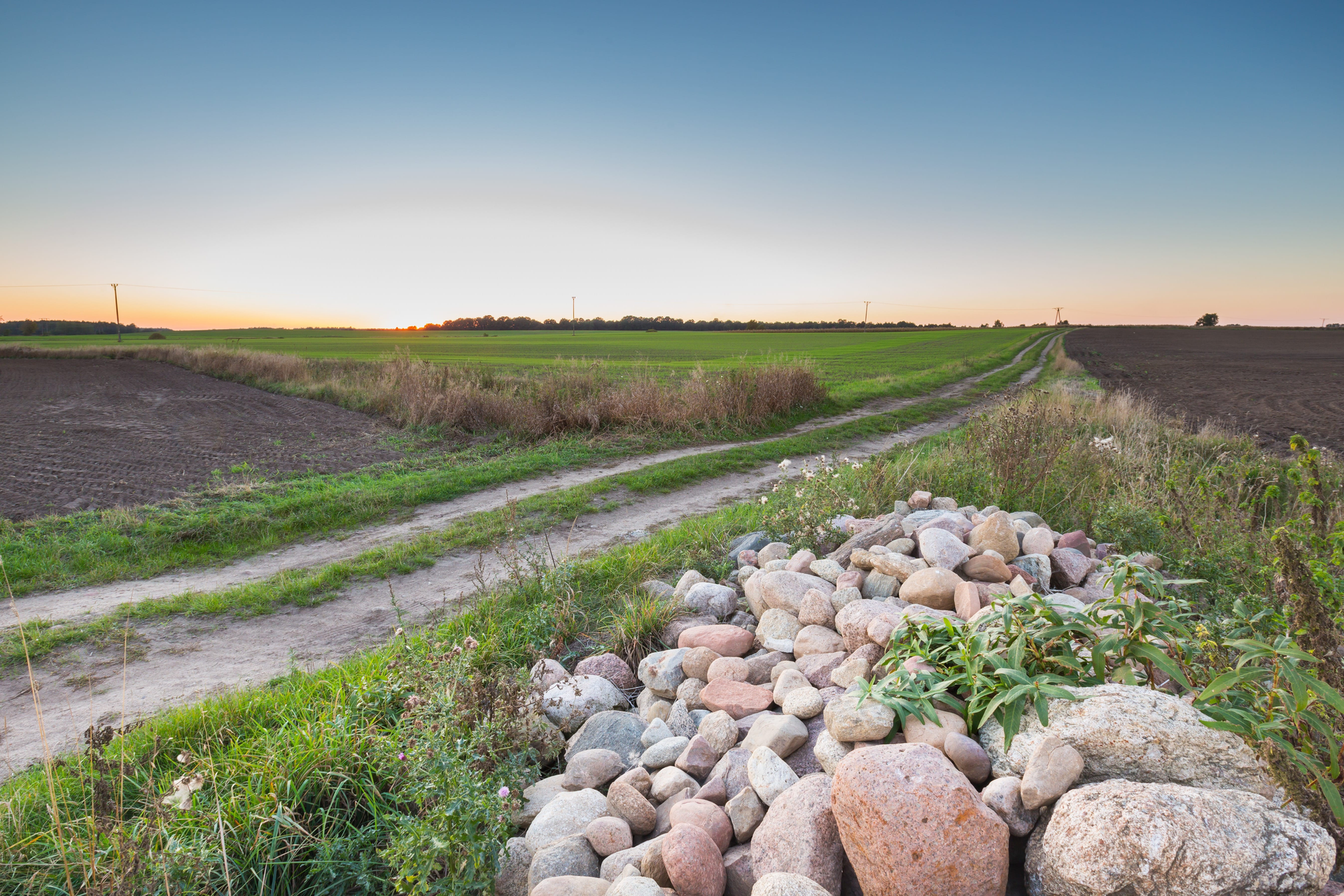
Gravel remains one of the most popular choices for rural properties throughout West Alabama.
Benefits include:
- Lower upfront cost
- Faster installation
- Easy expansion
- Flexible for long driveways
- Good option for acreage properties
- Easy maintenance when properly built
Gravel is often ideal for:
- Rural homes
- Farms
- Hunting properties
- Long private roads
- New construction access
Considerations For Gravel
While gravel performs well in many situations, it does require maintenance.
Property owners may occasionally need:
- Additional gravel
- Surface grading
- Drainage adjustments
- Rut repair
Most recurring gravel problems are caused by water management issues rather than the gravel itself.
Asphalt Driveways
Advantages Of Asphalt
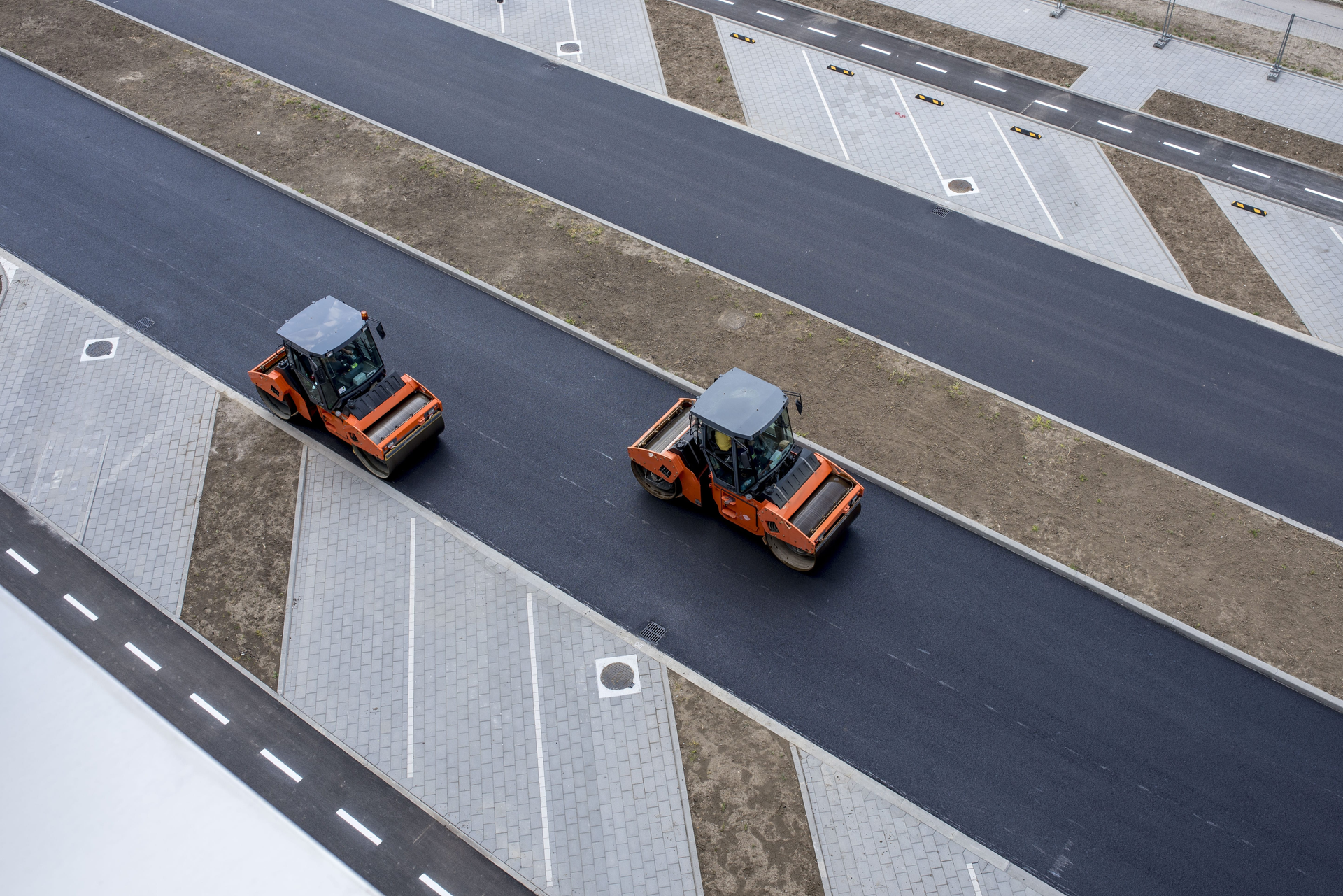
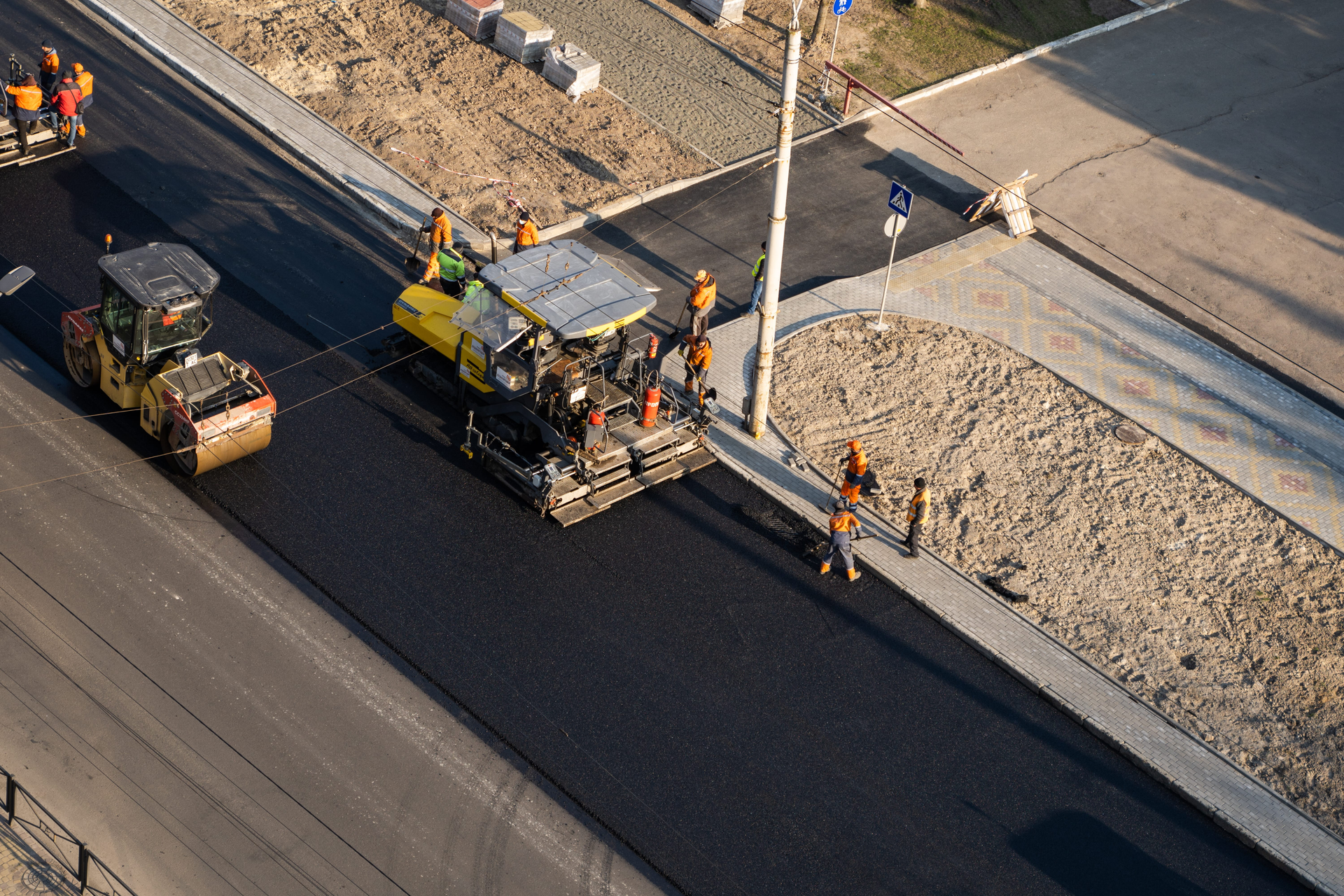
Asphalt provides a smooth driving surface and a more finished appearance than gravel.
Benefits include:
- Smooth ride quality
- Reduced dust
- Professional appearance
- Faster snow and water runoff
- Good durability
Asphalt is often a strong choice for:
- Residential properties
- Medium-length driveways
- Higher traffic areas
- Finished homesites
Considerations For Asphalt
Asphalt still depends heavily on proper base preparation.
Potential concerns include:
- Cracking over time
- Surface maintenance
- Repairs after utility work
- Drainage-related damage
A properly prepared base helps extend the life of an asphalt driveway significantly.
Concrete Driveways
Advantages Of Concrete
Concrete typically provides the longest-lasting finished surface when properly installed.
Benefits include:
- Excellent durability
- Clean appearance
- Low routine maintenance
- Strong performance under heavier loads
- Long service life
Concrete is commonly selected for:
- Homes
- Shops
- Garages
- Commercial entrances
- High-use areas
Considerations For Concrete
Concrete generally requires:
- Higher upfront investment
- Proper drainage planning
- Quality site preparation
- Professional installation
Because replacement costs can be significant, proper preparation becomes especially important.
Drainage Often Matters More Than Material Choice
Many property owners focus heavily on surface material while overlooking drainage.
In reality, poor drainage can damage:
- Gravel driveways
- Asphalt driveways
- Concrete driveways
Common drainage-related problems include:
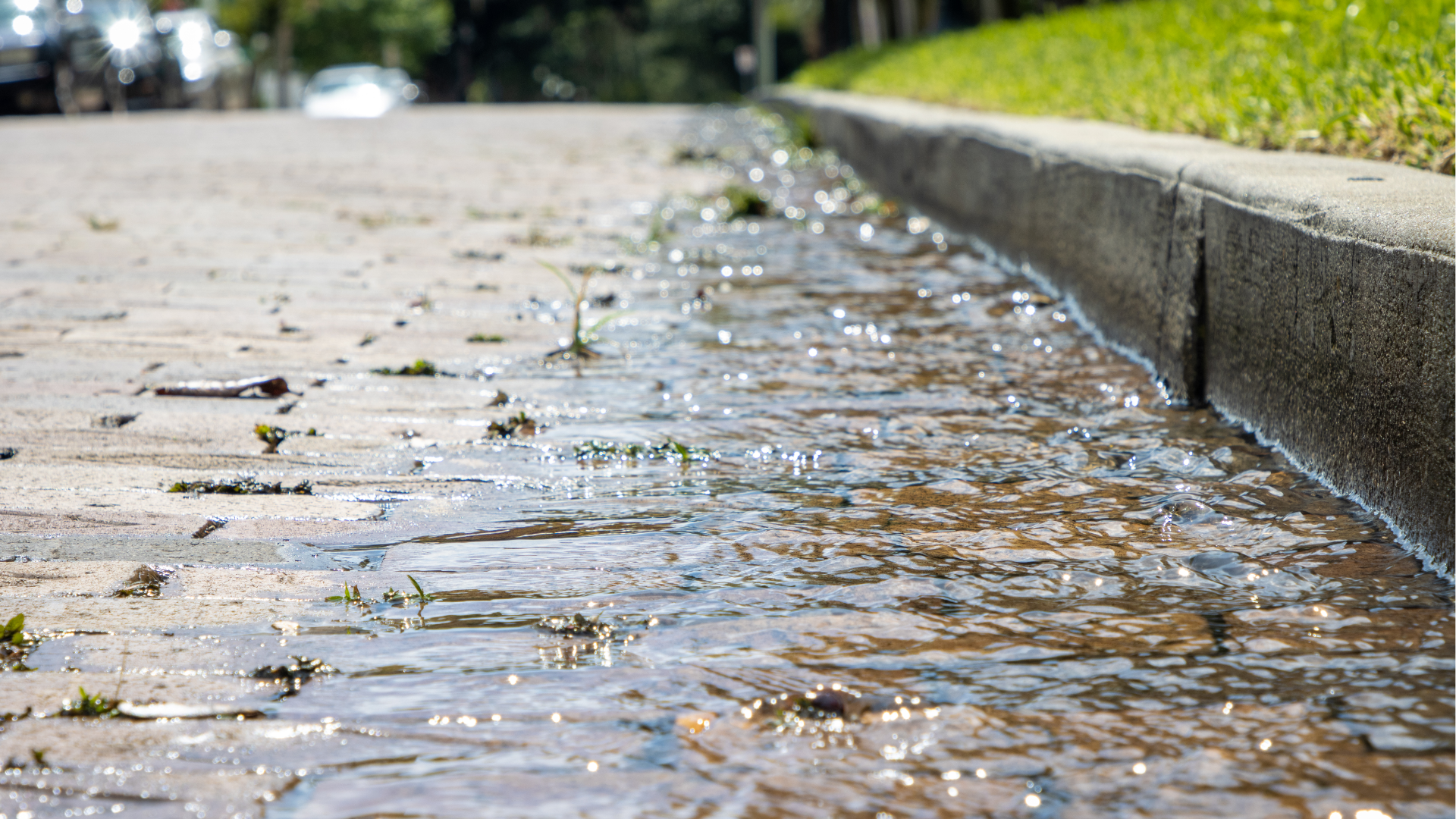
- Washouts
- Erosion
- Standing water
- Soft base conditions
- Surface deterioration
Proper drainage planning is often one of the most important parts of driveway construction.
Related Service:
Which Driveway Is Right For Your Property?
Gravel May Be Best If:
- You have a long driveway
- Budget is a primary concern
- The property is rural
- Future expansion is likely
- You need construction access
Asphalt May Be Best If:
- You want a smoother finished surface
- Traffic volume is moderate
- Appearance is important
- The driveway length is manageable
Concrete May Be Best If:
- Long-term durability is a priority
- Heavy traffic is expected
- A finished appearance is desired
- Budget allows for a larger initial investment
Common Questions About Driveways
Which driveway lasts the longest?
Concrete often provides the longest service life when properly installed and maintained.
Is gravel a good choice for rural properties?
Yes. Gravel remains one of the most practical options for many rural and agricultural properties.
Can drainage issues damage concrete or asphalt?
Absolutely. Water is one of the leading causes of driveway failure regardless of material.
Do I need grading before driveway installation?
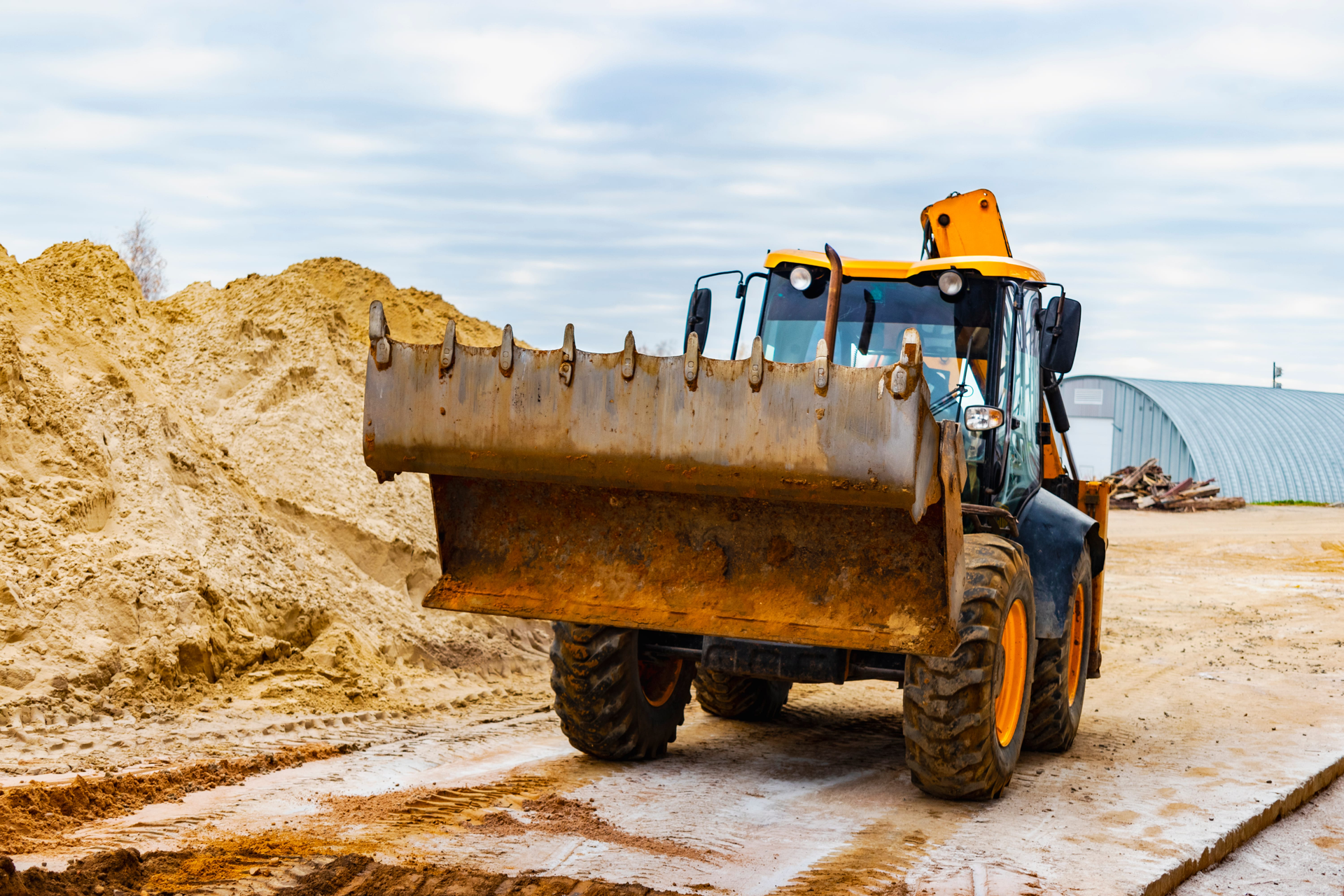
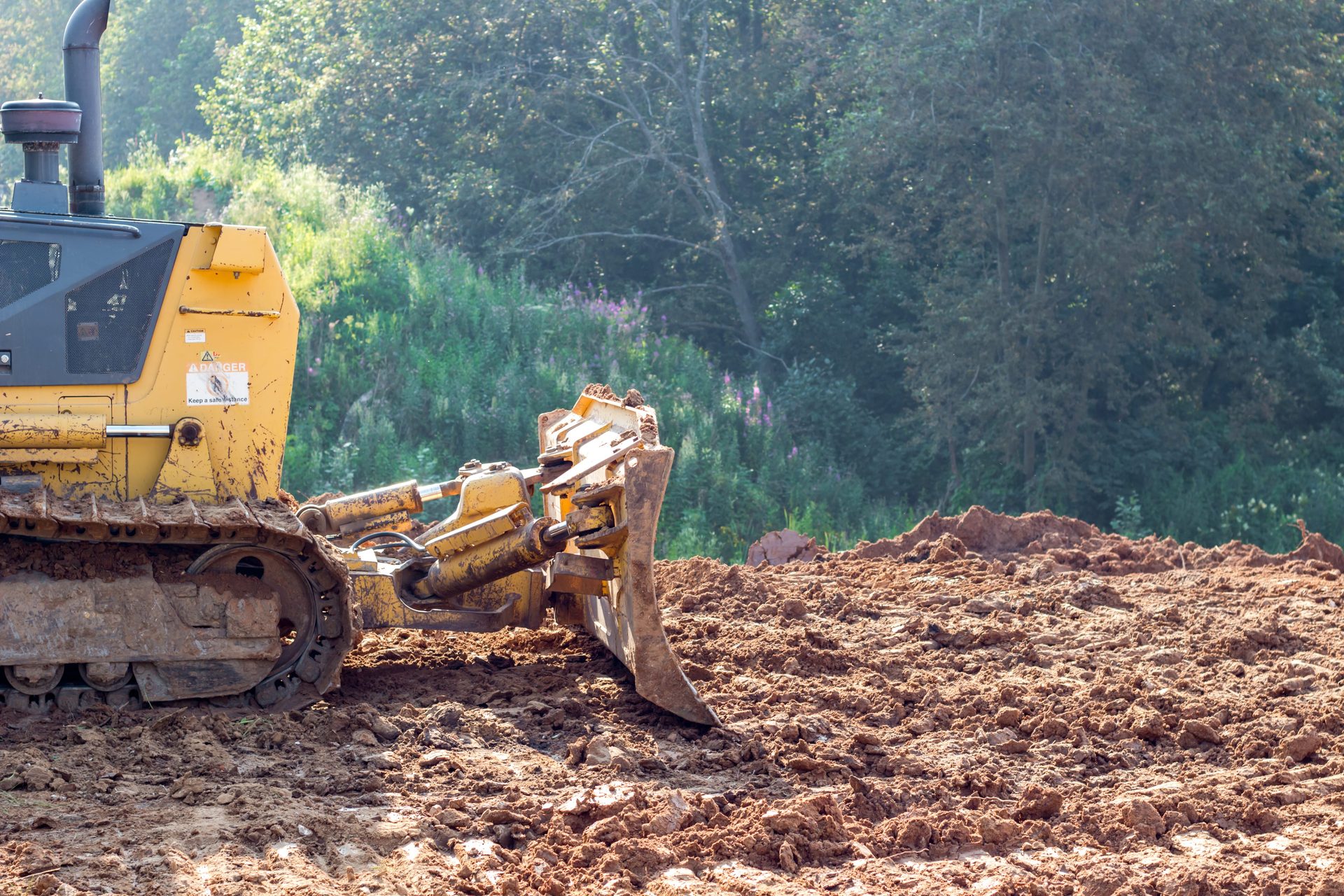
Most projects require grading to establish proper drainage and base conditions.
Final Thoughts
There is no single "best" driveway material for every property.
The right choice depends on your goals, budget, property conditions, traffic levels, and long-term plans.
By focusing on proper grading, drainage, and site preparation first, property owners often get better results regardless of whether they choose gravel, asphalt, or concrete.

our services
Related Services
Planning A New Driveway?
Whether you're building a new home, improving access to rural property, or replacing an existing driveway, we can help determine the best solution for your property and budget.