

What To Know Before Installing A Septic System
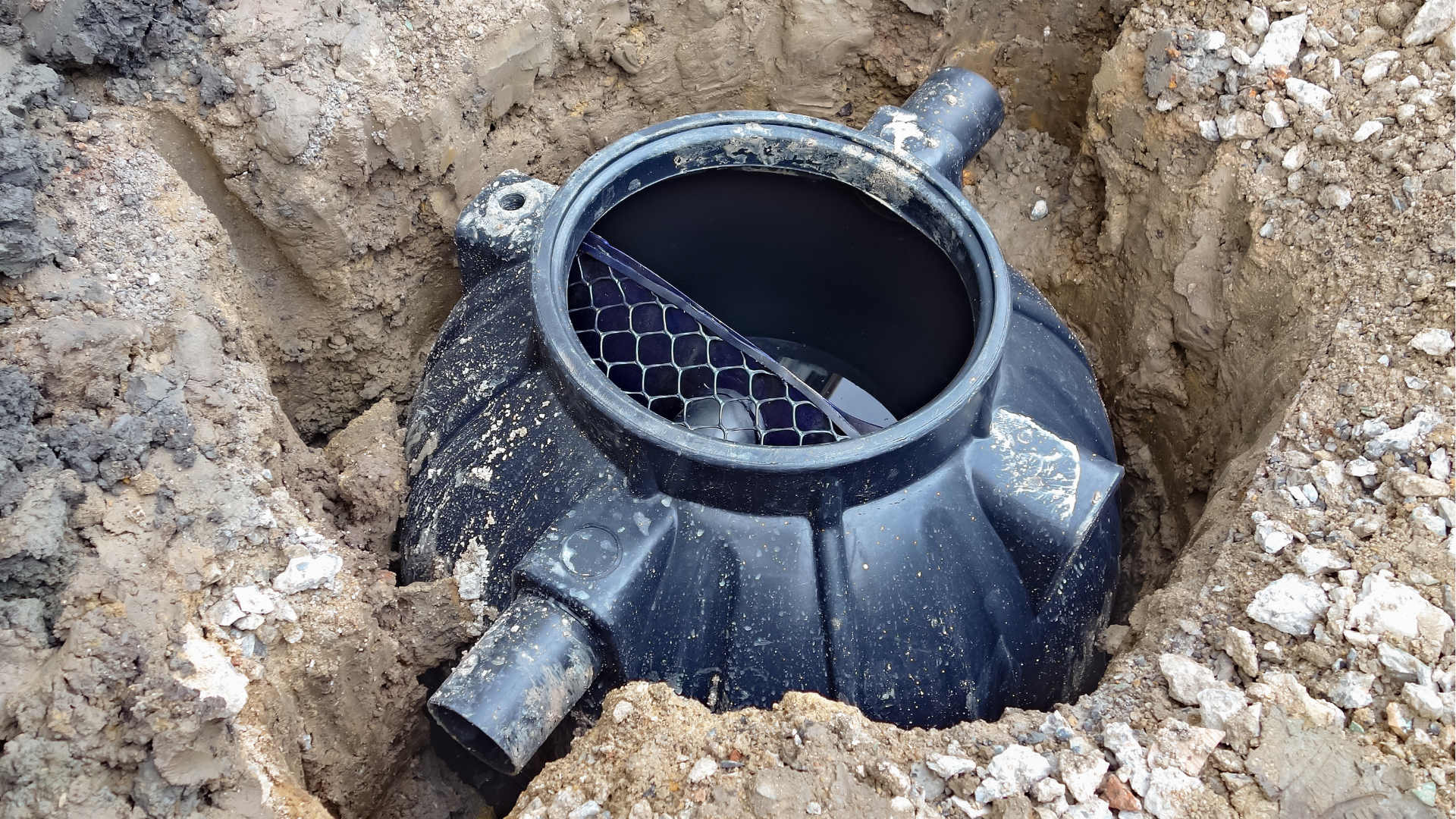
For many rural properties, a septic system is one of the most important investments made during site development.
A properly planned and installed system helps support reliable wastewater management for years to come. A poorly planned system, however, can create ongoing maintenance issues, construction delays, and unnecessary expenses.
Whether you're building a new home, shop, barndominium, cabin, or other structure, understanding the septic process before construction begins can save significant time and frustration later.
Septic Planning Should Start Early
One of the biggest mistakes property owners make is waiting too long to think about septic installation.
Many aspects of site development can be affected by septic placement, including:
- Building location
- Driveway placement
- Utility routing
- Drainage improvements
- Grading plans
- Future expansion
The earlier septic planning begins, the easier it becomes to coordinate the rest of the project.
Not Every Part Of A Property Is Suitable
Many people assume a septic system can be installed almost anywhere.
In reality, several factors influence placement, including:
- Soil conditions
- Topography
- Drainage
- Available space
- Property layout
- Local requirements
This is why evaluating the property before major construction begins is so important.
Understanding The Drain Field
The drain field is a critical part of the septic system.
Its purpose is to allow wastewater to be filtered and dispersed into the soil.
The drain field area should be protected from:
- Excessive vehicle traffic
- Future construction
- Improper grading
- Water accumulation
Many future septic problems occur because the drain field was not considered during the overall site planning process.
Drainage Can Affect Septic Performance
Water management and septic performance often go hand in hand.
Excess water around a septic system may contribute to:
- Saturated soil
- Reduced efficiency
- Drainage concerns
- Access difficulties
Evaluating drainage before installation helps create better long-term conditions for the system.
Related Service:
Grading Should Be Part Of The Plan
Proper grading helps support:
- Water movement
- Site accessibility
- Drain field performance
- Construction readiness
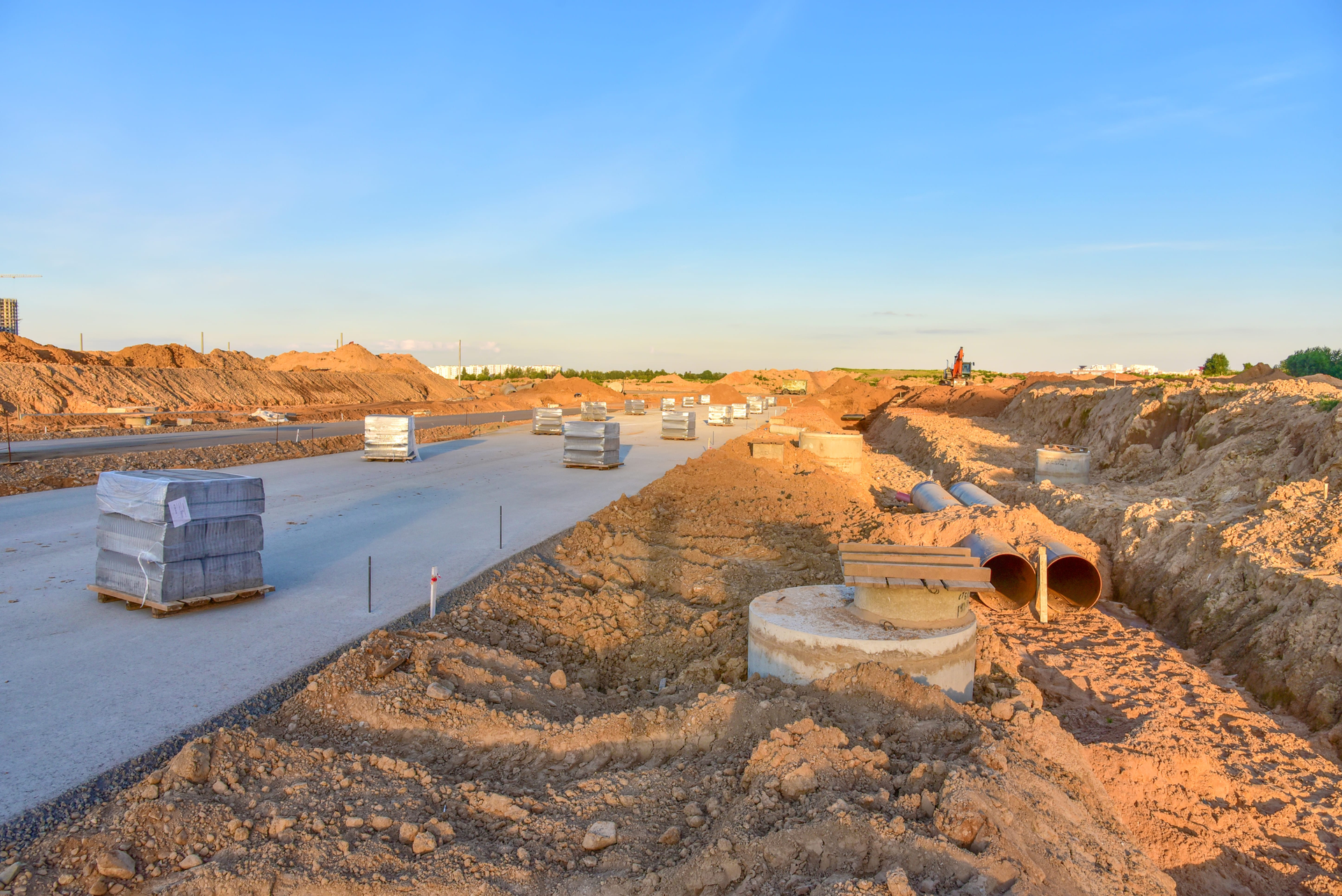
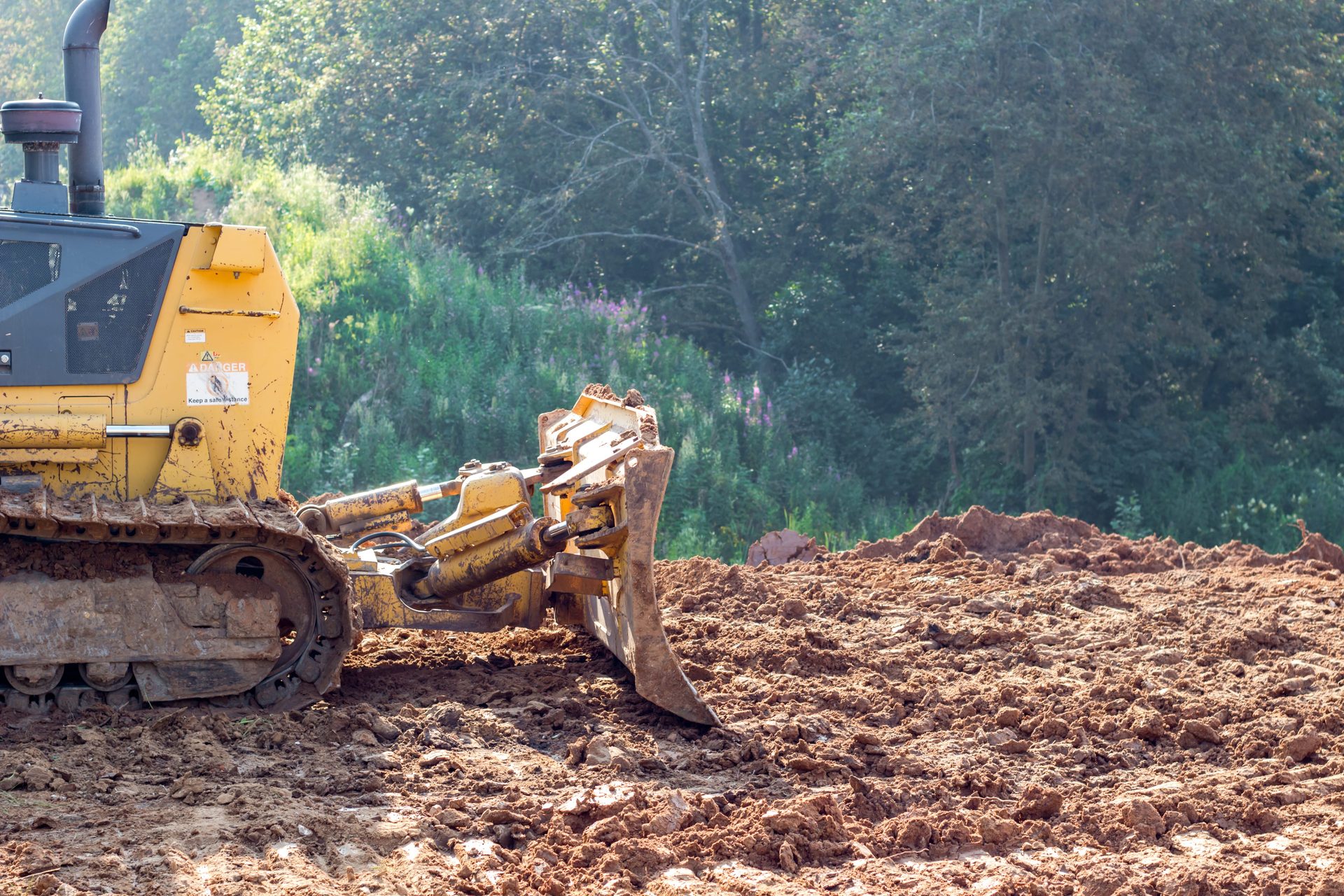
Many septic installations work best when coordinated with broader grading and site preparation plans.
The goal is to create a property that functions well as a whole rather than treating each improvement separately.
Related Service:
Utilities Often Need To Be Coordinated
Septic systems are only one part of a property's infrastructure.
Many projects also involve:
- Water service
- Electrical service
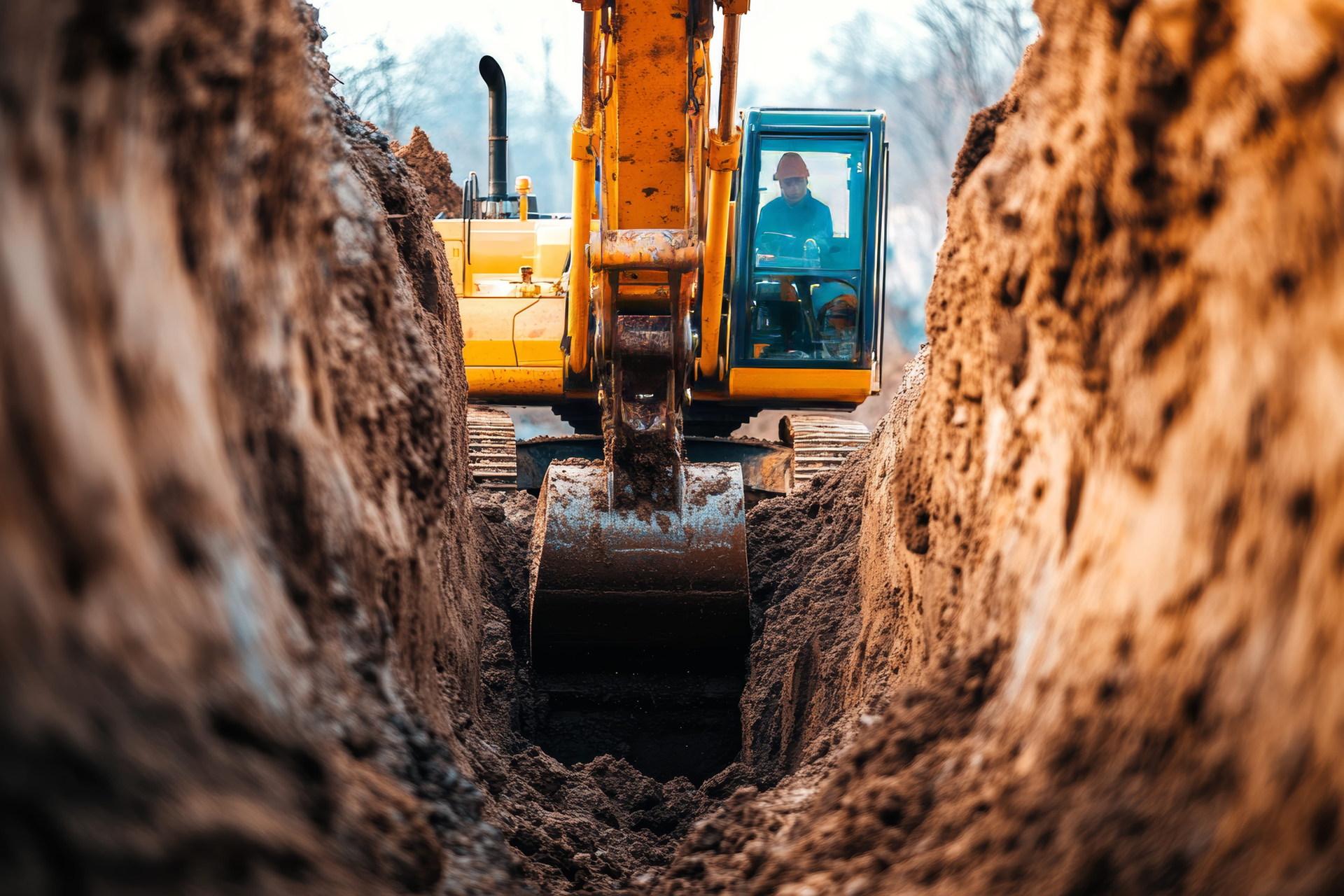
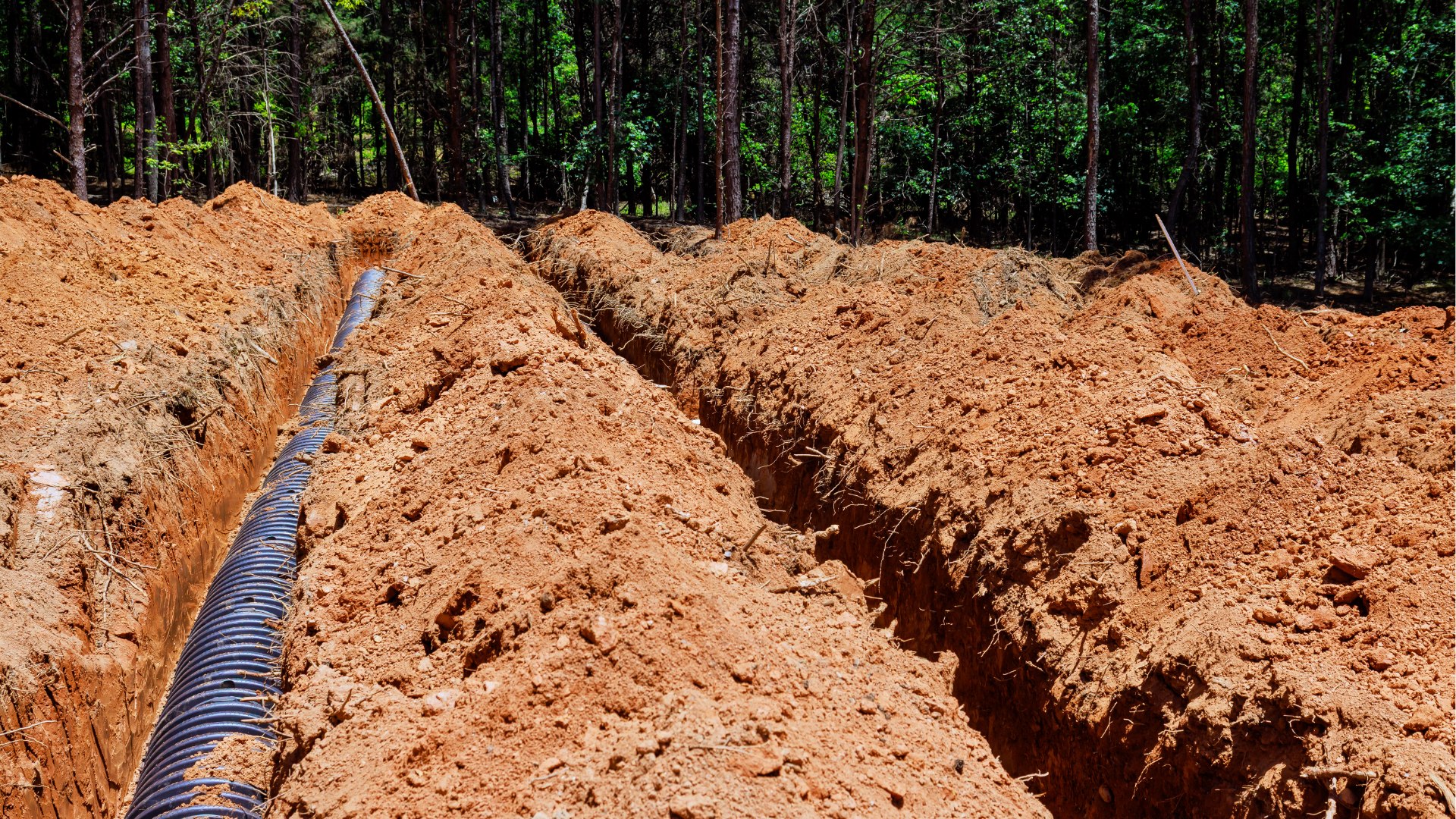
- Utility trenching
- Driveway construction
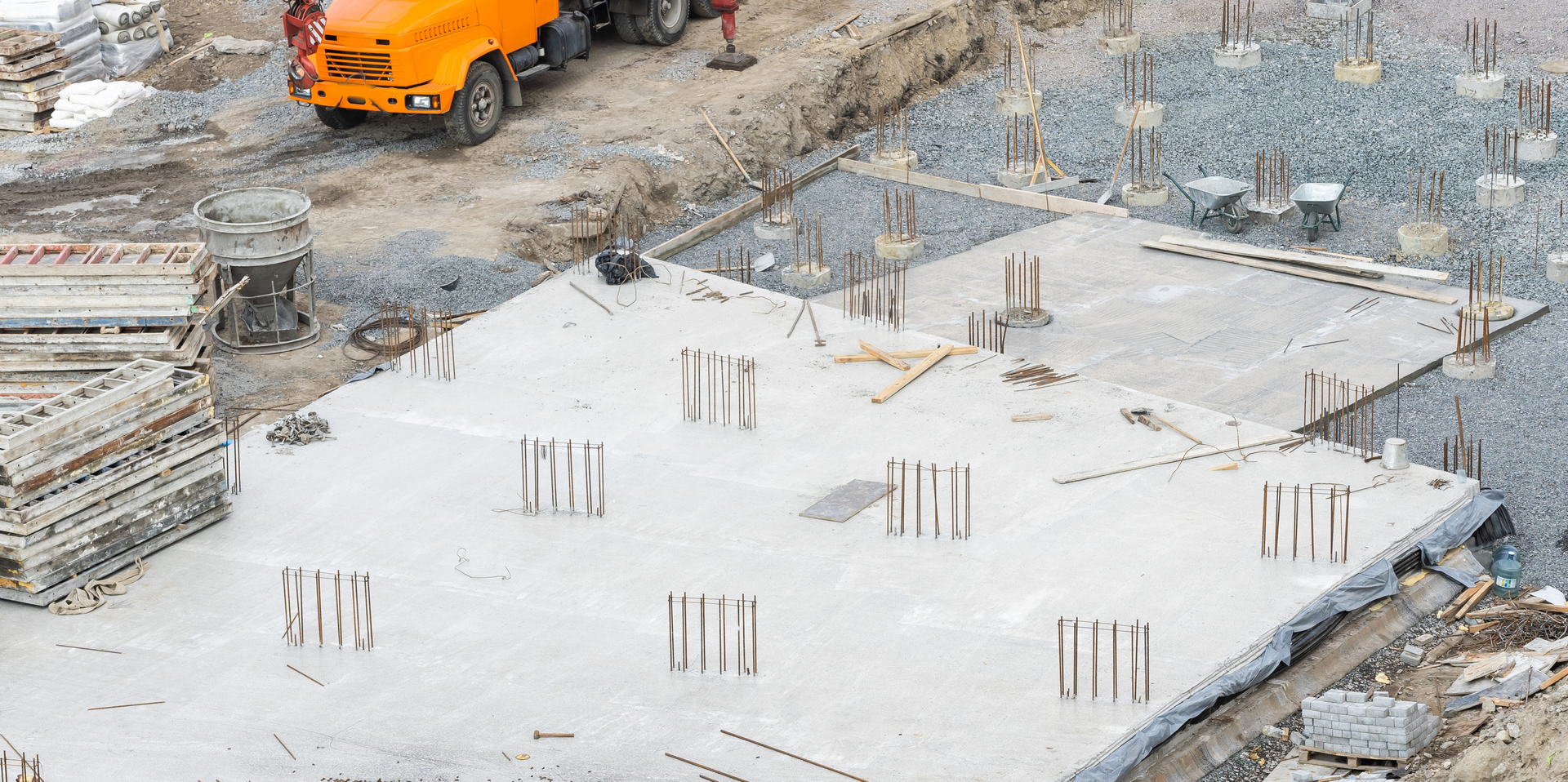
- Building pad preparation
Coordinating these systems early often prevents conflicts and unnecessary excavation later.
Related Service:
Access Matters During Installation
Heavy equipment is often needed during septic installation.
Before work begins, consider:
- Equipment access
- Driveway conditions
- Construction staging areas
- Property layout
Good access helps improve efficiency and reduce disruption during the project.
Related Service:
Common Septic Planning Mistakes
Property owners frequently encounter problems when they:
- Wait too long to plan the system
- Ignore drainage concerns
- Overlook future property expansion
- Fail to coordinate utilities
- Rush site preparation
- Choose building locations before evaluating the entire property
Most of these issues can be avoided through proper planning.
Signs You Should Start Septic Planning Now
If any of the following apply, it's a good time to begin discussing septic installation:
- Building plans are underway
- A homesite has been selected
- Land clearing is beginning
- A building pad is being planned
- Utility installation is approaching
- New construction is expected soon
Starting early often creates more options and fewer surprises.
Common Questions About Septic Installation
When should septic planning begin?
Ideally before major site development starts. Septic placement affects many other project decisions.
Does drainage affect septic systems?
Yes. Water movement and soil conditions can directly impact long-term performance.
Can septic installation be coordinated with site preparation?
Absolutely. Many projects combine grading, utilities, building pads, and septic installation into one development plan.
Can a septic system affect where I build?
Yes. Septic placement and drain field requirements often influence building locations.
Final Thoughts
A septic system is one of the most important pieces of infrastructure on many rural properties.
By planning early, evaluating the entire property, and coordinating septic installation with grading, drainage, utilities, and future development goals, property owners can create better conditions for long-term success.
The best septic projects are rarely planned in isolation—they're planned as part of the larger property vision.

our services
Related Services
Planning A New Septic System?
Whether you're building a home, shop, barn, cabin, or metal building, we can help evaluate your property and create a plan that supports both septic installation and future development.