

How Land Clearing Prepares Property For Future Development
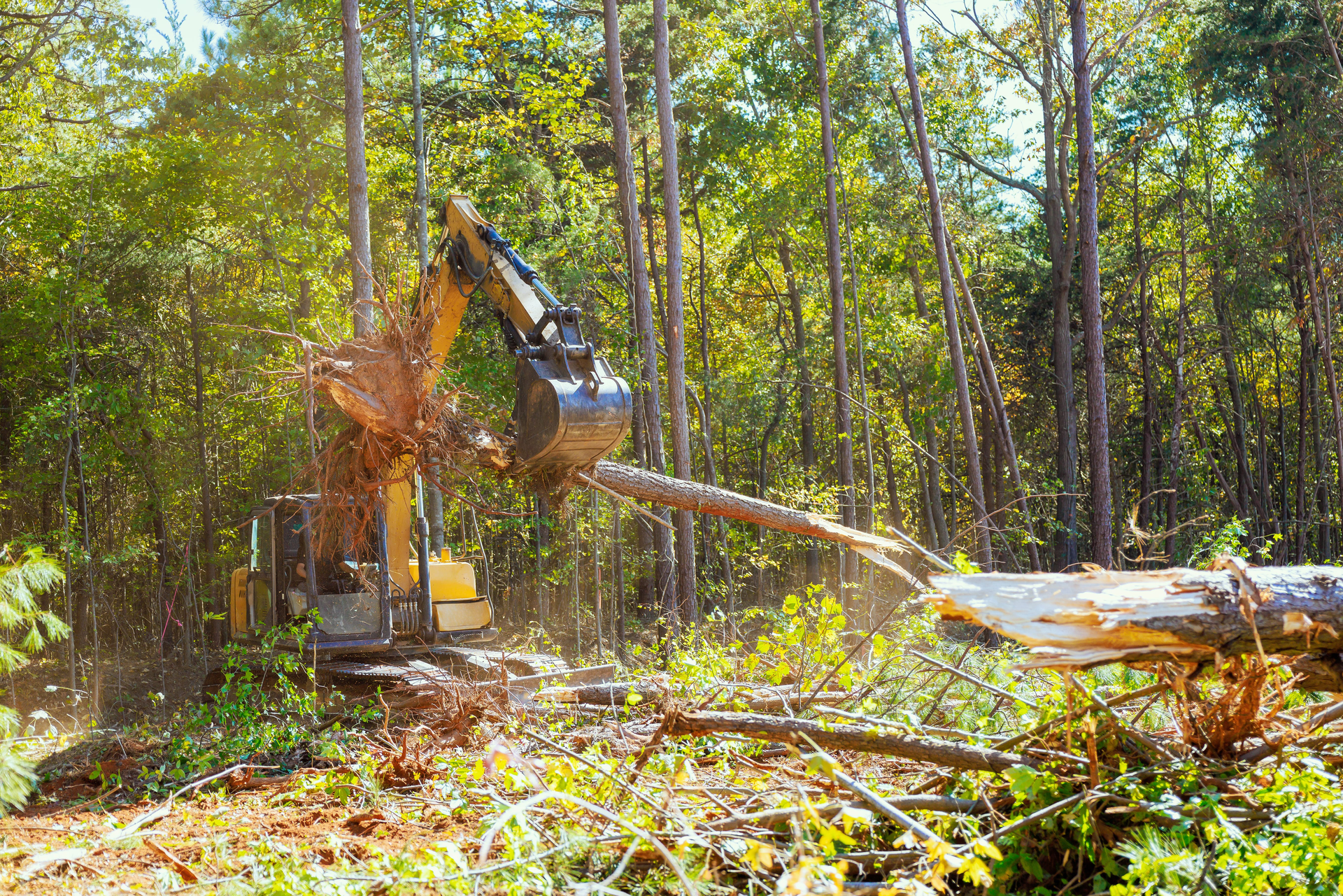
Many people think land clearing is simply about removing trees and brush.
In reality, land clearing is often the first major step in a much larger property improvement project.
Whether you're planning to build a home, install a septic system, create a pond, improve access, or develop raw acreage, the condition of the land before construction plays a major role in how smoothly the project moves forward.
Proper land clearing helps reveal opportunities, identify challenges, improve access, and create a foundation for future improvements.
Land Clearing Creates Visibility
One of the first benefits of clearing overgrown property is being able to fully evaluate the land.
Heavy brush, thick vegetation, and unmanaged growth often hide:
- Drainage issues
- Low spots
- Existing erosion
- Access limitations
- Property boundaries
- Potential building locations
- Utility corridors
- Pond opportunities
Once vegetation is removed, property owners gain a much clearer understanding of what they're working with and what improvements make the most sense.
Building Sites Often Start With Clearing
Before construction equipment can arrive, the property typically needs adequate access and usable workspace.
Land clearing often helps prepare for:
- New homes
- Shops
- Garages
- Barns
- Metal buildings
- Commercial structures
Clearing allows contractors to evaluate building locations, determine drainage needs, and begin planning grading and pad construction.
Without proper clearing, many site preparation activities become difficult or impossible.
Drainage Problems Become Easier To Identify
Water management is one of the most important factors in long-term property performance.
Unfortunately, drainage problems are frequently hidden beneath heavy vegetation.
After clearing, it becomes easier to identify:
- Standing water
- Drainage paths
- Erosion concerns
- Washout risks
- Poor grading conditions
- Water movement patterns
Understanding how water moves across the property helps create better plans for future development.
Land Clearing Improves Property Access
Many properties become difficult to use simply because access is limited.
Overgrown roads, brush-covered trails, and wooded areas can restrict movement across the land.
- Land clearing often improves:
- Driveway locations
- Equipment access
- Future road construction
- Property maintenance
- Recreational use
- Agricultural use
Improved access frequently becomes one of the most valuable benefits of the entire project.
Clearing Helps Prepare For Septic Installation
Septic systems require planning, access, and suitable installation areas.
Before septic work can begin, property owners often need to establish:
- Building locations
- Utility corridors
- Drain field areas
- Access routes
- Proper drainage conditions
Land clearing creates the workspace needed to evaluate and prepare these areas correctly.
For many projects, clearing is one of the first steps toward successful septic installation.
Related Service:
Pond Projects Usually Begin With Site Preparation
Many pond construction projects start long before excavation equipment arrives.
Clearing helps identify:
- Watershed characteristics
- Water collection areas
- Access routes
- Excavation locations
- Dam placement opportunities
- Drainage conditions
Removing vegetation often provides a clearer picture of how the property can support a future pond.
Related Service:
Property Development Works Best With A Plan
One of the biggest mistakes property owners make is treating land clearing as the final goal.
In most cases, clearing is only the beginning.
Successful property improvements often continue into:
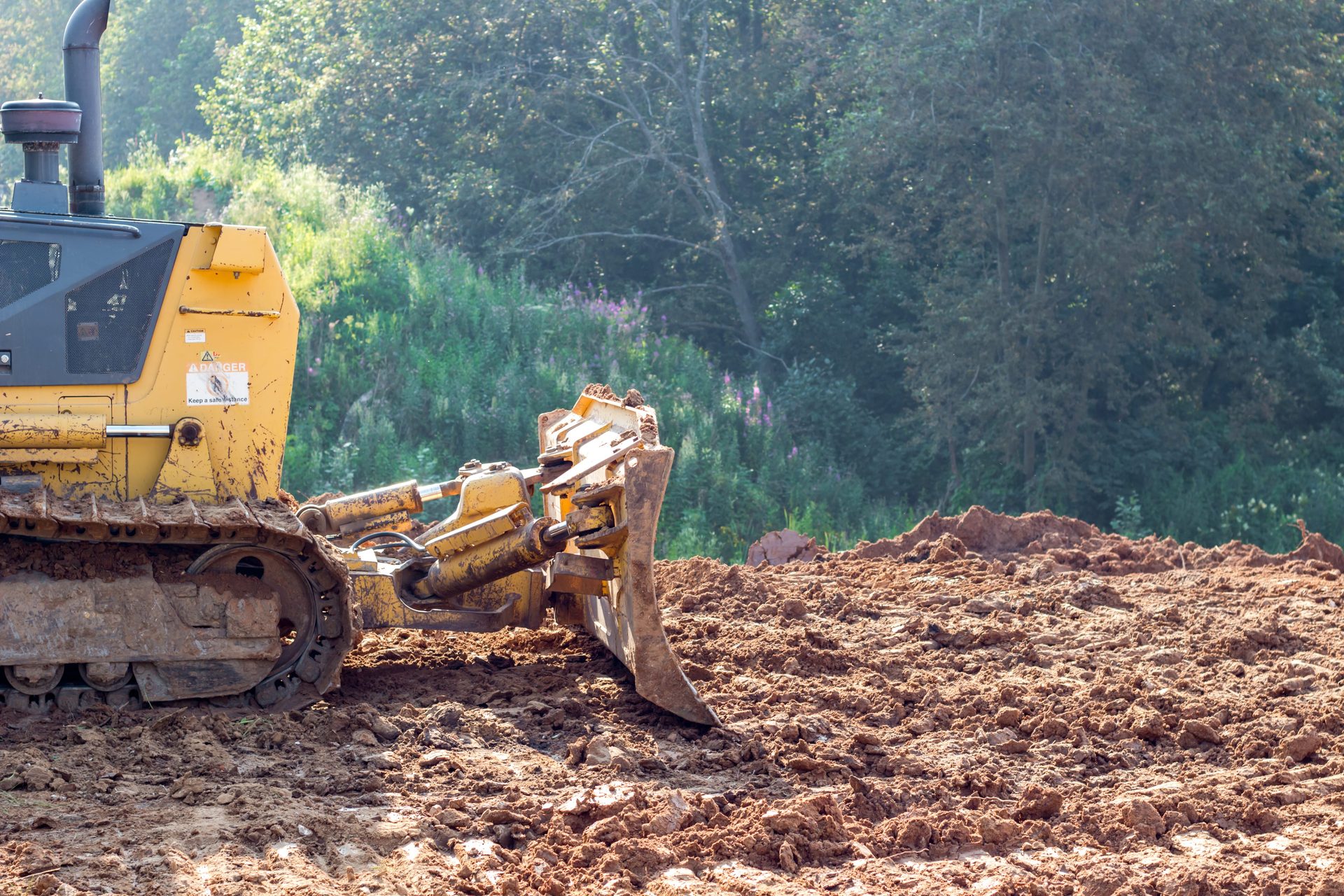
- Grading
- Drainage improvements
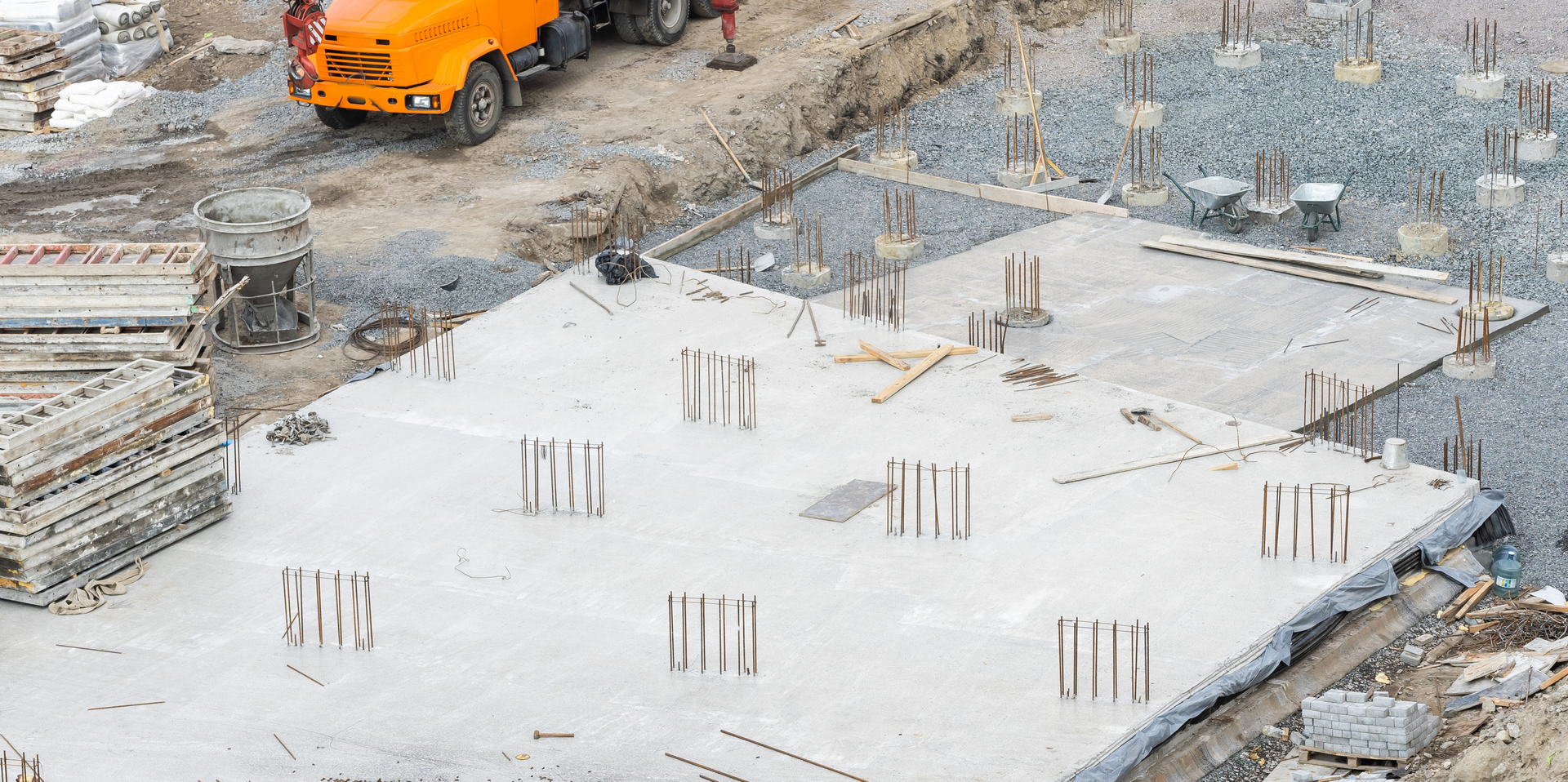
- Building pad construction
- Driveway installation
- Septic systems
- Utility trenching
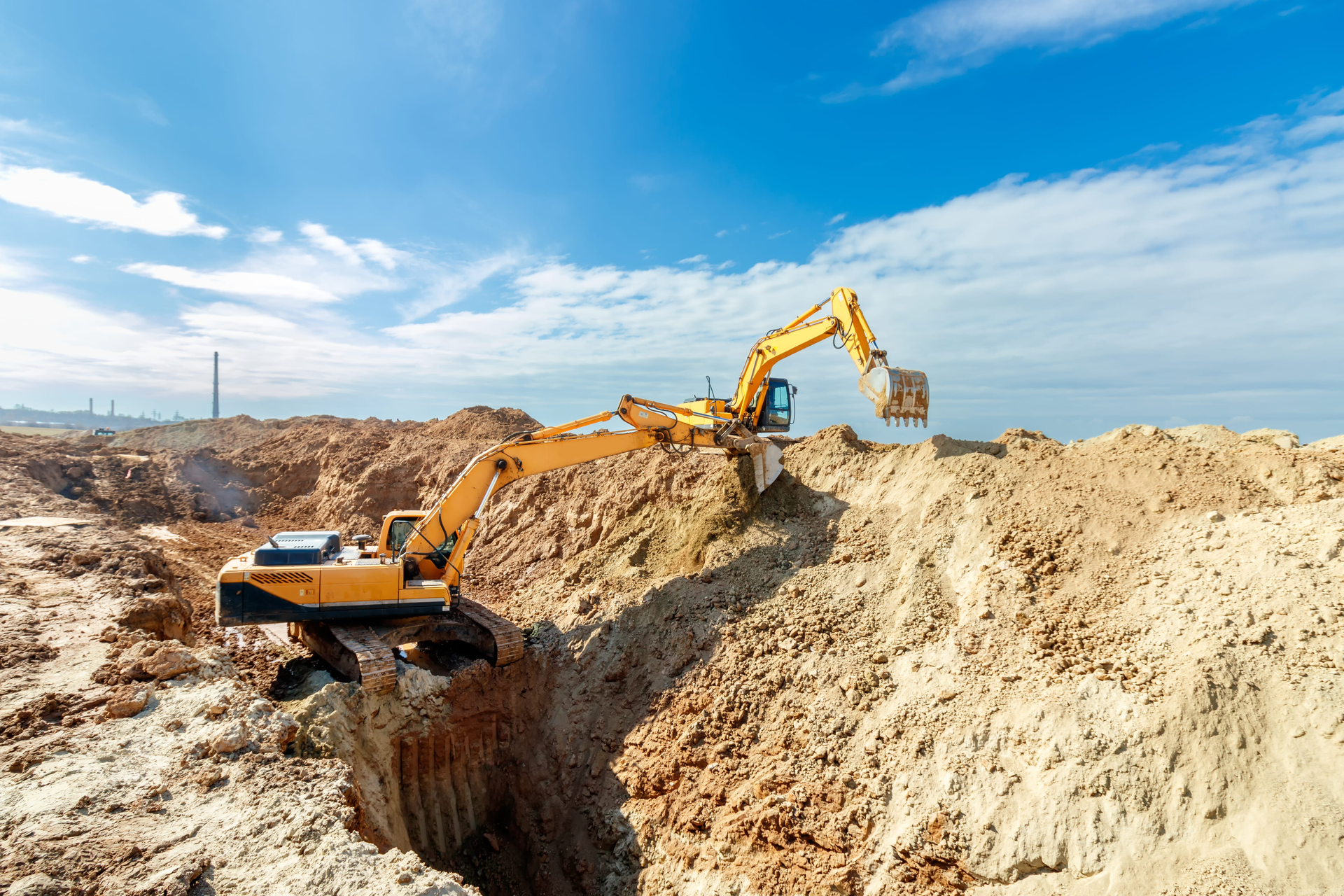
- Pond construction
- Erosion control
Thinking about future goals before clearing begins often leads to better long-term results.
Common Questions About Land Clearing
Does land clearing automatically prepare property for construction?
Not completely. Clearing is usually the first step, followed by grading, drainage improvements, pad construction, and other site preparation work.
Can land clearing improve property value?
Improved access, usability, and development potential often make property more attractive and functional.
Should drainage be evaluated before clearing?
Yes. Understanding water movement helps determine how the property should be developed after clearing is complete.
Can land clearing be combined with other site work?
Absolutely. Many projects combine clearing with grading, driveways, septic installation, drainage improvements, and pond construction.
Final Thoughts
Land clearing is about much more than removing trees and brush.
When approached strategically, it becomes the first step toward creating a property that is easier to use, easier to maintain, and better prepared for future improvements.
Whether you're planning a home site, shop, pond, driveway, septic system, or complete property transformation, a well-executed land clearing project helps create the foundation for everything that follows.

our services
Related Services
Thinking About Improving Your Property?
The right site preparation plan can help reduce delays, improve long-term performance, and create a stronger foundation for your project.