

How Poor Drainage Causes Erosion Problems
Erosion rarely happens overnight.
In most cases, it begins as a small drainage issue that gradually worsens over time.
A little runoff becomes a small channel. The channel becomes a washout. The washout begins damaging driveways, building sites, slopes, and usable property.
By the time many property owners notice erosion, the damage has already been occurring for months or even years.
Understanding how drainage affects erosion is one of the most important steps toward protecting your land.
Water Is The Driving Force Behind Erosion
Every time it rains, water moves across your property.
When water moves too quickly or becomes concentrated in a single area, it begins carrying soil with it.
Over time, that soil loss can create:
- Ruts
- Gullies
- Washouts
- Slope failures
- Exposed roots
- Property damage
- Drainage failures
The more uncontrolled the water becomes, the greater the erosion risk.
Erosion Often Starts With Poor Drainage
Many property owners assume erosion is simply a natural part of owning land.
While some soil movement is normal, significant erosion is often caused by drainage problems such as:
- Improper grading
- Blocked drainage paths
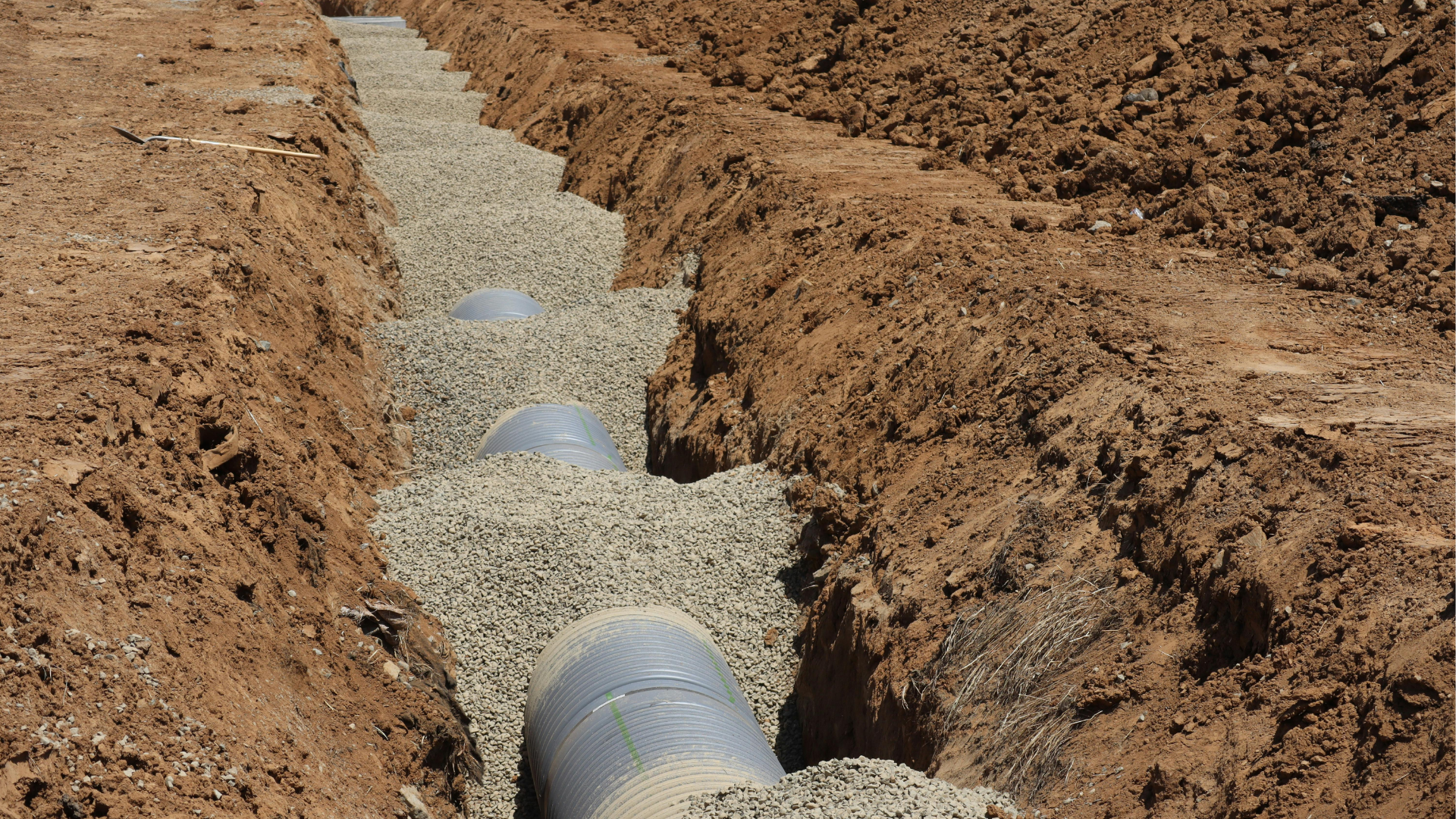
- Failing culverts
- Standing water overflow
- Concentrated runoff
- Uncontrolled stormwater
In many situations, fixing the drainage issue helps slow or stop the erosion.
Related Service:
Slopes Are Especially Vulnerable
Sloped areas naturally move water faster than flat ground.
When runoff travels down a slope without proper control, it can quickly begin removing soil.
Common warning signs include:
- Bare soil patches
- Small channels forming
- Exposed roots
- Sediment deposits
- Washed-out areas
Left uncorrected, minor slope erosion often becomes much more expensive to repair.
Driveways Frequently Experience Erosion
Driveways are one of the most common places erosion appears.
Water running across or alongside a driveway can cause:
- Shoulder erosion
- Gravel loss
- Washouts
- Ditch damage
- Culvert failures
Many recurring driveway repairs are actually drainage issues that were never fully addressed.
Correcting water flow is often more effective than repeatedly repairing the driveway surface.
Related Service:
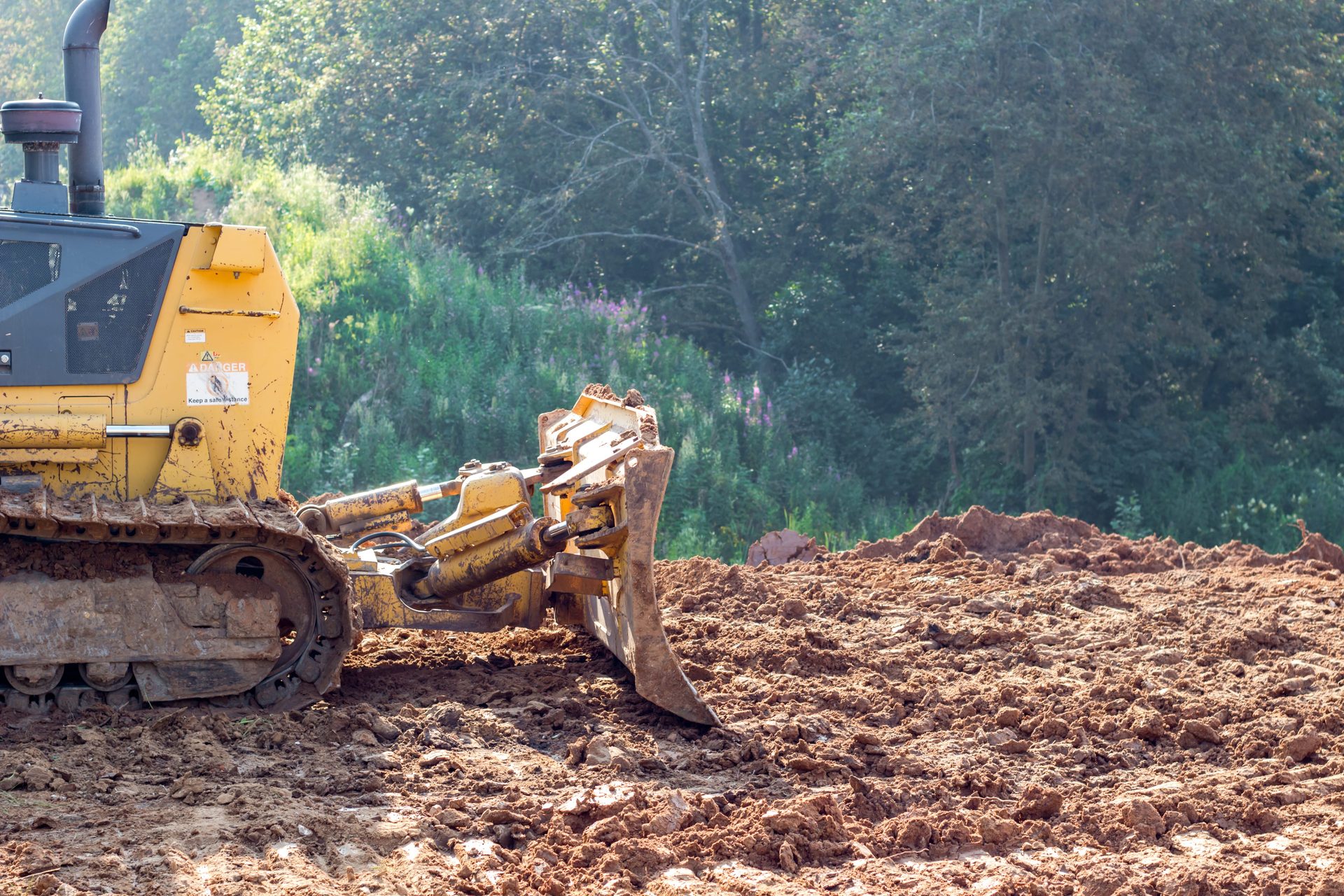
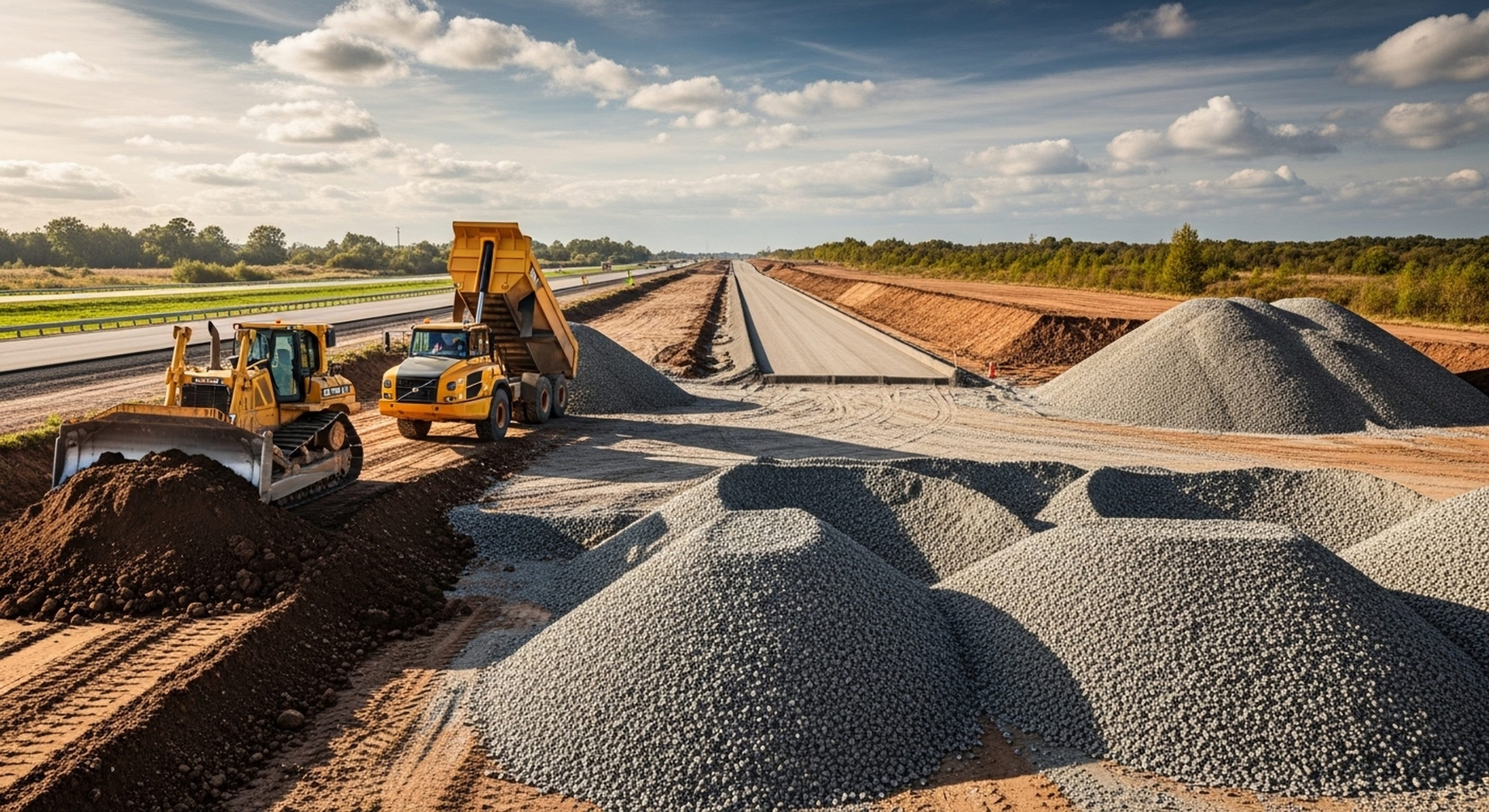
Building Sites Need Erosion Protection
Construction projects often disturb soil and change drainage patterns.
Without proper planning, this can increase erosion risks around:
- Building pads
- Homesites
- Shops
- Barns
- Commercial projects
Managing water before, during, and after construction helps protect both the project and the surrounding property.
Related Service:
Signs Your Property May Have An Erosion Problem
Watch for warning signs such as:
- Soil washing away after storms
- Deepening drainage channels
- Mud deposits in unwanted areas
- Exposed tree roots
- Washed-out driveways
- Slope instability
- Property edges breaking down
- Increasing drainage problems
The earlier these signs are addressed, the easier they often are to correct.
Common Solutions For Erosion Control
The right solution depends on the property and the cause of the problem.
Potential solutions may include:
- Grading improvements
- Drainage corrections
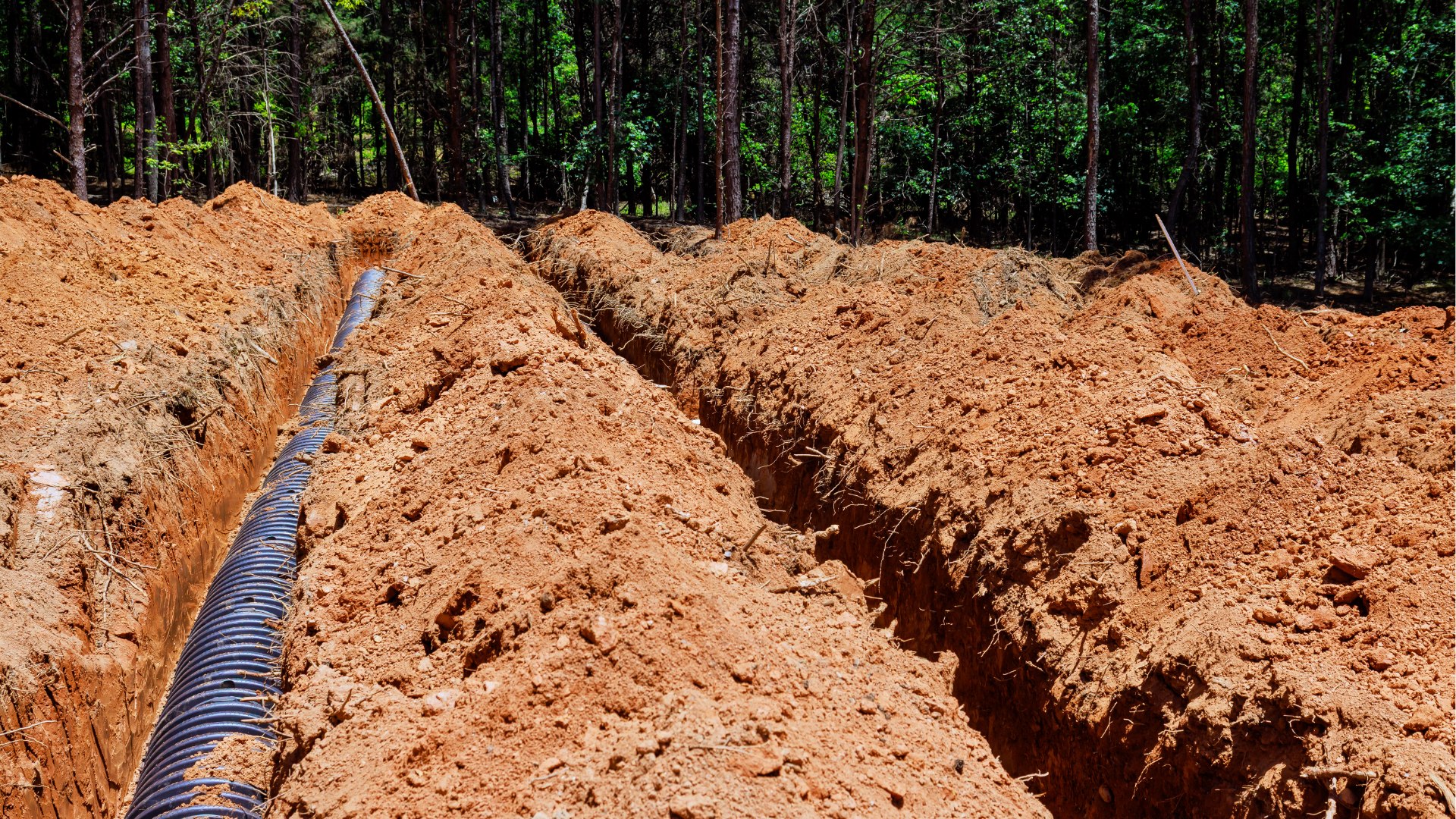
- Culvert installation
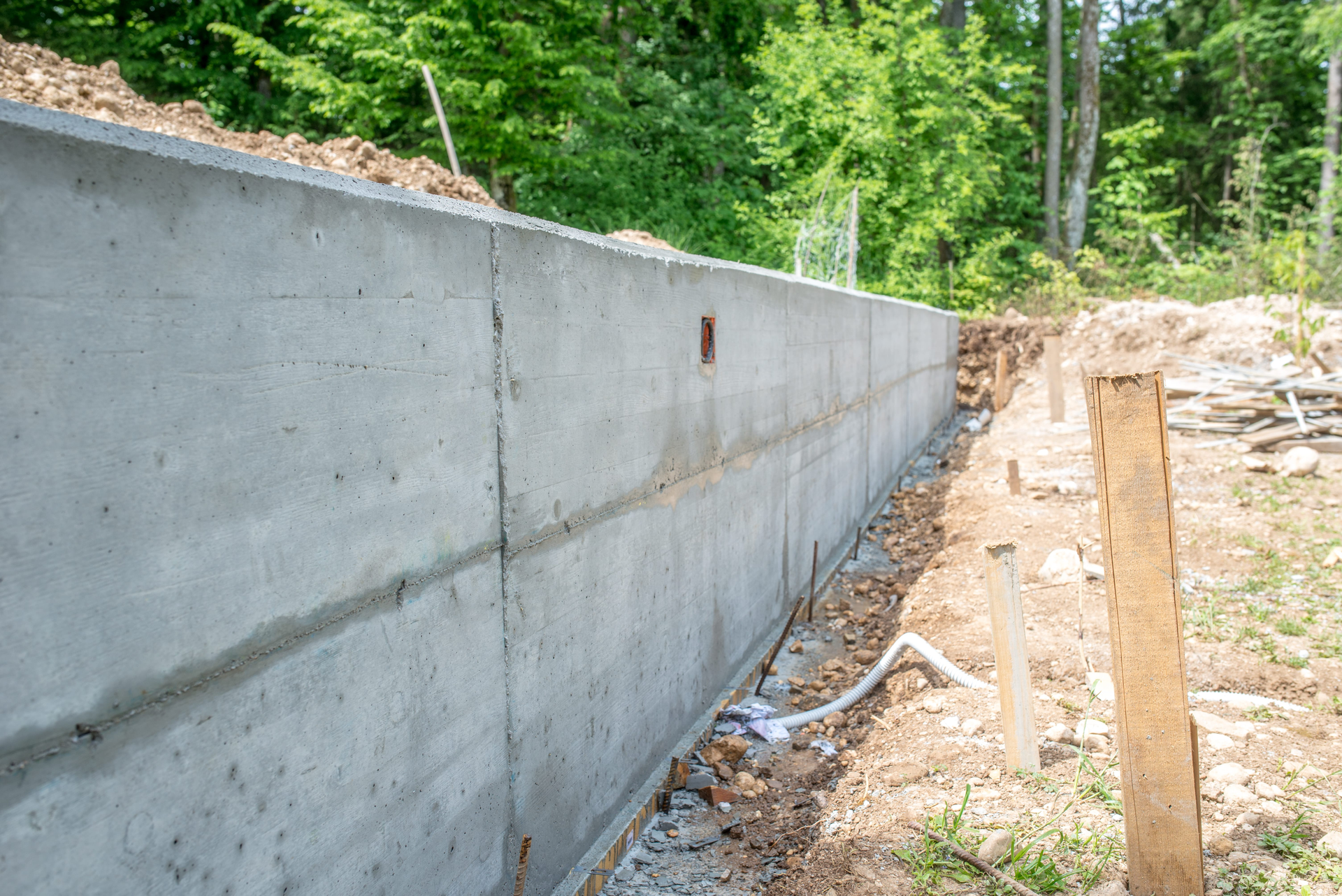
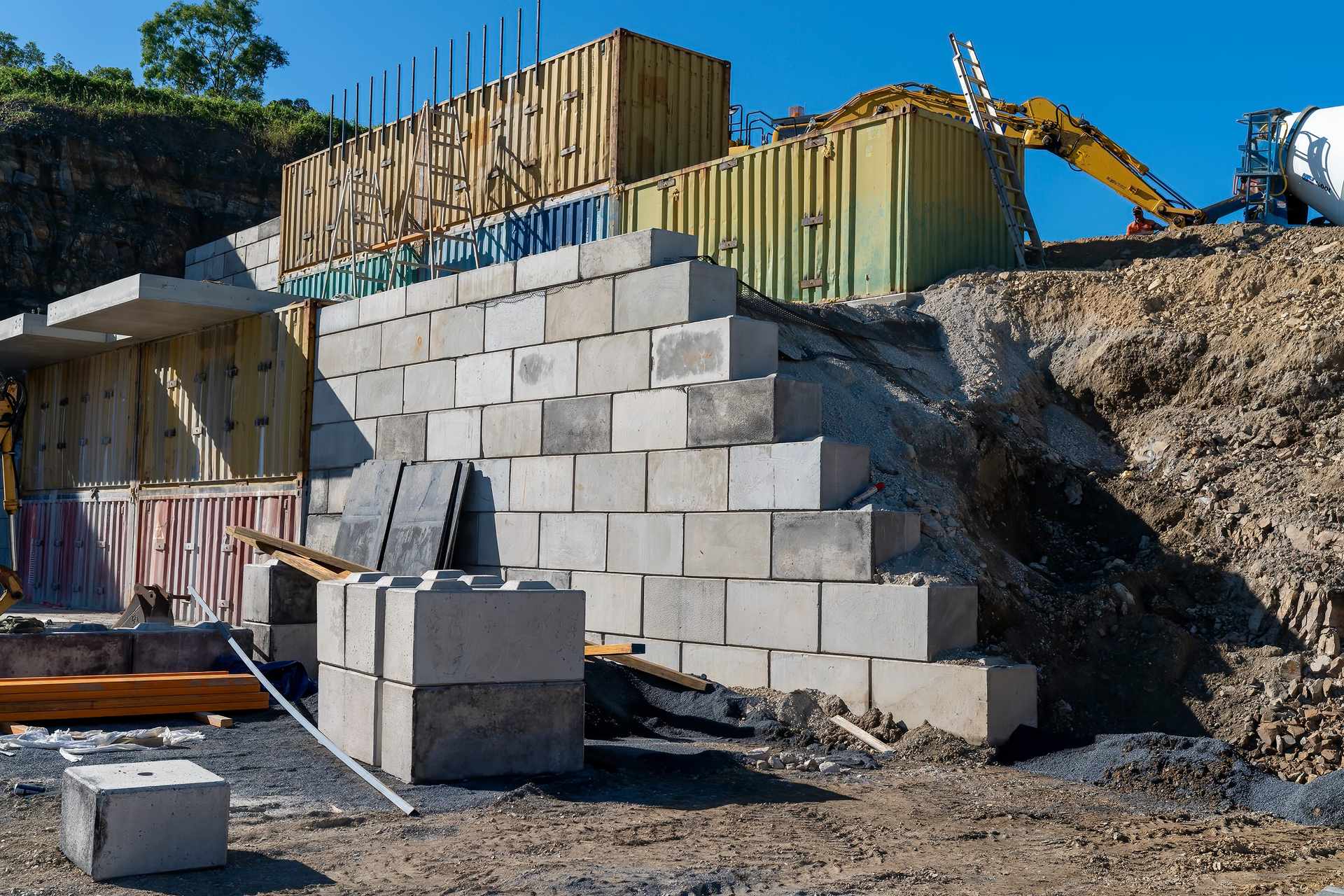
- Retaining walls
- Water diversion systems
- Slope stabilization
- Runoff management
- Vegetation establishment
The goal is usually not to stop water completely, but to control how it moves across the property.
Why Temporary Fixes Often Fail
Many property owners attempt quick repairs by simply filling washed-out areas with dirt or gravel.
While this may temporarily improve appearance, it rarely addresses the root cause.
If water continues moving the same way, the erosion often returns.
Long-term solutions typically focus on:
- Water movement
- Drainage design
- Soil stabilization
- Property grading
Fixing the cause is usually more effective than repeatedly repairing the symptoms.
Common Questions About Erosion
Can erosion lower property value?
Significant erosion can affect usability, appearance, access, and future development potential.
Do retaining walls stop erosion?
In certain situations, retaining walls can help stabilize slopes and reduce erosion risks.
Can grading help prevent erosion?
Yes. Proper grading is often one of the most effective erosion-control strategies.
Will erosion continue getting worse?
In many cases, yes. Water usually continues following the same path until corrective action is taken.
Final Thoughts
Erosion is often a drainage problem in disguise.
The visible soil loss is usually the result of water moving through the property in a way it shouldn't.
By identifying drainage issues early and implementing proper erosion-control measures, property owners can protect their land, reduce future repair costs, and improve long-term property performance.

our services
Related Services
Seeing Signs Of Erosion On Your Property?
Whether you're dealing with washouts, slope damage, drainage issues, or recurring soil loss, we can help evaluate the problem and recommend practical solutions.